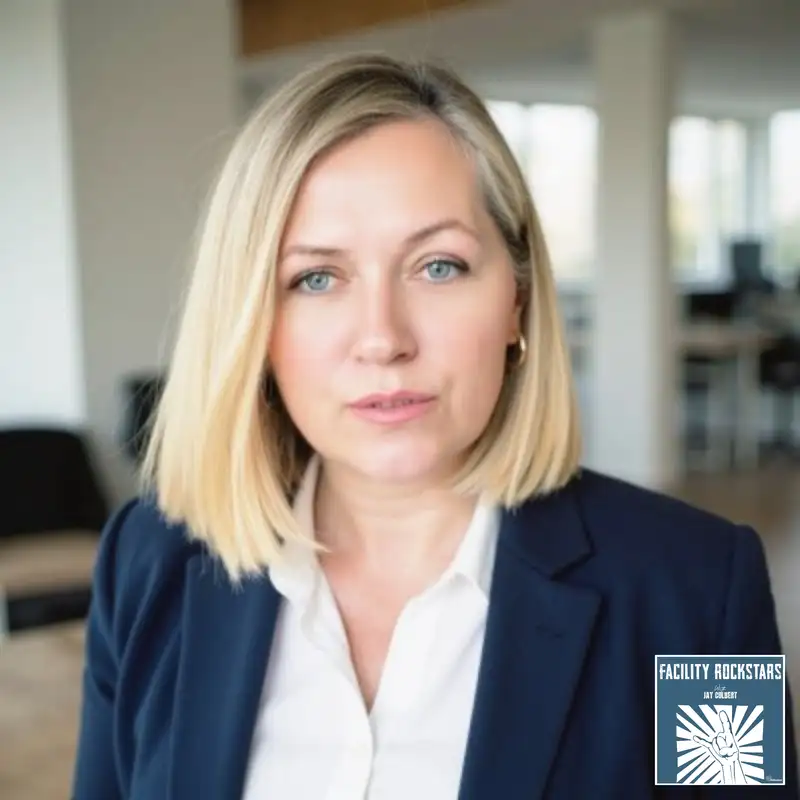
In this episode, Vanessa Brady, Director of Global EHS and Sustainability at Charles River Laboratories, brings over two decades of experience across industries, including aerospace, life sciences, cosmetics, biotechnology, and oil and gas. A certified industrial hygienist and newly re-elected Secretary Elect of the American Industrial Hygiene Association (AIHA), Vanessa shares hard-won lessons on building EHS programs that are embedded, not isolated, within organizations. She emphasizes that success in safety and compliance almost always comes down to one thing: getting the right people in the room early.
Vanessa walks through some of the most persistent challenges she's encountered across her career, from management of change to contractor vetting, and explains why the US lags behind many European countries in EHS rigor. She makes a compelling case for prevention through design, the idea that the best safety solution is often to eliminate the hazard altogether, and explains how industrial hygiene, which deals with invisible, long-term exposures, is one of the most underappreciated yet critical disciplines in the field. Whether you're an EHS professional, a facilities leader, or someone who simply cares about workplace safety, this episode is packed with practical, experience-backed guidance.
Takeaways:
- Don't let EHS work in a silo: Safety and compliance initiatives fail when EHS tries to drive change alone. Engage stakeholders from HR, legal, procurement, and other departments early in the process. When they're involved from the start, they become advocates — not obstacles.
- Relationship building unlocks everything: Before you can push an initiative forward, you need to know the people you're working with. Learn about their roles, their challenges, and what matters to them. When the time comes to ask for support, those relationships make all the difference.
- Management of change is a universal vulnerability: Every organization Vanessa has worked with struggles with it. When new equipment, chemicals, or systems are introduced without a structured review process, hazards slip through the cracks. A cross-functional team approach before any major change can prevent costly — and dangerous — oversights.
- Prevention through design saves time, money, and lives: Rather than layering controls on top of hazards, ask whether the hazard can be eliminated entirely. Redesigning a confined space so it no longer meets the legal definition, or repositioning equipment to avoid roof access, can eliminate compliance burdens while protecting workers more effectively.
- Industrial hygiene is about what you can't see: A cut is visible; a chemical exposure that causes illness 30 years later is not. A robust industrial hygiene program — including baseline exposure assessments and repeat monitoring — is essential for truly protecting workers, not just checking compliance boxes.
- The answers are often already on the floor: Frontline employees frequently know exactly what the safety problems are — and how to fix them. EHS leaders who walk the floor, ask questions, and listen will find solutions faster than those who work only from the top down.
- Volunteer, mentor, and give back: For experienced EHS professionals, Vanessa's advice is clear: get involved with organizations like AIHA, ASSP, or the National Safety Council. Mentoring the next generation strengthens the entire profession.
Quote of the Show:
- “Don't allow environment, health, and safety to become isolated. Make sure that it becomes embedded with other departments.”
Links:
- LinkedIn: https://www.linkedin.com/in/vanessa-a-brady-ms-cih-csp-0096316/
- Charles River Laboratories Website: https://www.criver.com/
- American Industrial Hygiene Association: https://www.aiha.org