This is Facility Rockstars! The podcast that celebrates the unsung heroes of our daily lives – facility professionals! I'm your host, Jay Culbert. Join me as we honor these leaders - sharing stories, insights, and expertise that empower us all to learn and grow together. Facility Rockstars is sponsored by Kaloutas, operating the way you operate in order to make your life easier. Learn more at: https://www.kaloutas.com

All Episodes

Latest Episodes

All Episodes
#126

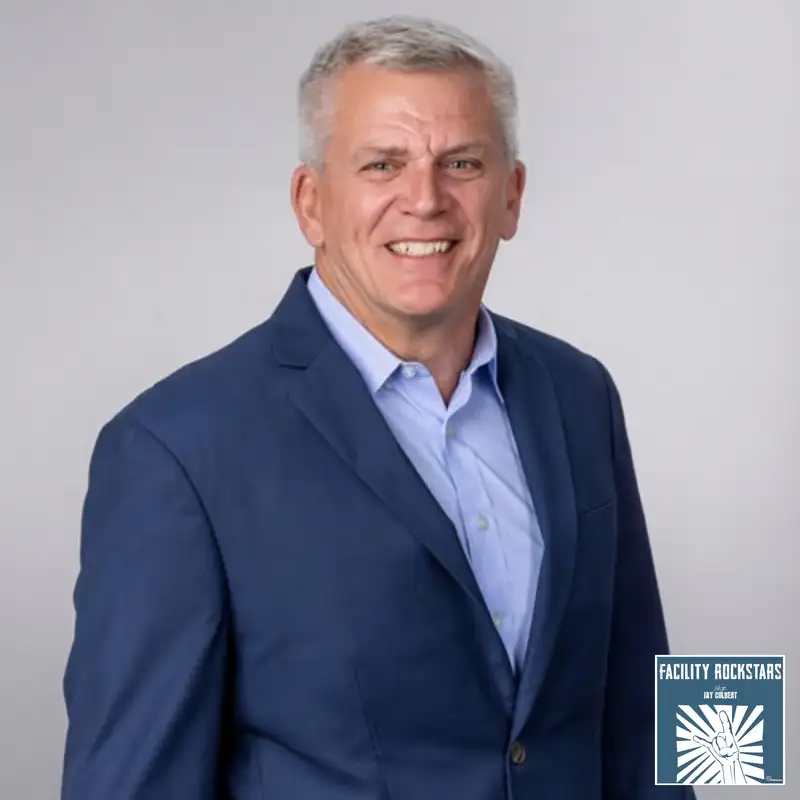
Why Great Vendor Relationships Are a Competitive Advantage with Troy Hollenbeck

Behind every well-run facility is a network of trusted relationships, thoughtful planning, and leaders who know that success isn't built alone. This week, Jay sits down with Troy Hollenbeck, an experienced facilities and operations leader, to discuss what he's learned after more than 25 years in the industry. From managing reactive maintenance environments and navigating post-COVID supply chain challenges to building strong vendor partnerships and creating exceptional customer experiences, Troy shares practical lessons that apply to every facilities professional. Throughout the conversation, he explains why patience, empathy, and continuous learning are some of the most valuable tools a leader can have. Takeaways:Strong relationships produce stronger results. Troy believes the best way to improve vendor performance is simple: make people want to work with you. Building trust, showing respect, and understanding the challenges vendors face creates partnerships that consistently deliver higher-quality work.Patience is one of the most valuable leadership skills. Facilities work is naturally reactive, but slowing down long enough to fully assess a problem often prevents bigger mistakes. Taking a measured approach leads to better decisions and more effective solutions.Preventative maintenance creates operational stability. While emergencies can't always be avoided, investing in preventative maintenance helps reduce downtime and gives teams a better chance of resolving issues quickly when they do occur.Standardization makes maintenance more efficient. Maintaining consistent equipment across facilities simplifies repairs, improves parts availability, reduces inventory complexity, and allows teams to respond faster when equipment fails.Customer experience extends far beyond the building itself. Whether it's curb appeal, store presentation, or amenities for EV charging customers, every detail shapes how people perceive a facility and whether they'll choose to return.Never assume you know everything. Troy encourages leaders at every stage of their career to stay curious, continue learning, and recognize that every team member brings valuable experience and perspectives to the table. Quote of the Show: "The simple thing is don't expect that you know more than everybody else." Links:LinkedIn: https://www.linkedin.com/in/troy-hollenbeck-65717221/ Instagram: https://www.instagram.com/troy_hollenbeck72/ Company Website: https://www.cumberlandfarms.com/ 
#125

People Are the Safety Strategy with Six EHS Leaders

To close out our six-week series dedicated to environmental health and safety leadership, this special compilation episode brings together highlights from Jay Culbert's conversations with six standout EHS professionals: Colleen Walker, Vanessa Brady, Lori Santoli, Jessica Goodhue, Don Bezek, and Don Watson. Rather than a single interview, this episode weaves together their most memorable stories, from redesigning lockout/tagout procedures to make them intuitive on the plant floor, to navigating management-of-change processes for new equipment and chemicals, to rethinking how facilities are designed with universal accessibility in mind. Across every story, one thread holds the whole series together: EHS is fundamentally a people profession. Guests reflect on building cross-functional trust, using automation to eliminate hazards without eliminating jobs, balancing safety requirements against food-safety regulations, and the lasting lessons learned from leading teams through COVID-19. Whether you've followed the whole series or are just tuning in, this finale distills six weeks of hard-won wisdom into one conversation about why the technical side of safety only works when the human side comes first. Takeaways:Make safety procedures visual, not just verbal. Complex lockout/tagout steps became far more reliable once translated into color-coded, numbered visual indicators that workers could follow in the moment — not just recall from training.Build a cross-functional review process for management of change. Before bringing in new equipment, chemicals, or technology, loop in a team to review risks, permits, and training needs upfront — it's cheaper than discovering the gap after the fact.Automate to eliminate hazards, not to eliminate people. Look for opportunities to remove human error from dangerous manual tasks while redirecting — not replacing — the people who did them.Understand your industry's unique constraints. Safety solutions that work in one sector (like food manufacturing, with its strict food-safety rules) may need to be adapted rather than copy-pasted from another.Design facilities around all users, not just the average one. Applying universal design principles — equitable use, simplicity, low physical effort — early prevents costly retrofits and creates genuinely inclusive workplaces.Lead with relationships before you need them. Getting to know coworkers across departments — their interests, their pressures — makes it far easier to gain buy-in when it's time to introduce a safety change.Communicate constantly, even when you don't have all the answers. Consistent, two-way communication between the floor and leadership builds the trust that safety initiatives depend on to actually stick. Quote of the Show: "At the end of the day, it's a person, then it's people, and then you're back to people." Links:Colleen WalkerLinkedIn: https://www.linkedin.com/in/colleenm-walker/  Website: https://www.stanleyblackanddecker.com/  Email: colleen.able@sbdinc.com  Vanessa BradyLinkedIn: https://www.linkedin.com/in/vanessa-a-brady-ms-cih-csp-0096316/  Charles River Laboratories Website: https://www.criver.com/  American Industrial Hygiene Association: https://www.aiha.org Lori SantoliLinkedIn: https://www.linkedin.com/in/lori-santoli-csp/ Jessica GoodhueLinkedIn: https://www.linkedin.com/in/jessica-goodhue-b50744271/  Website: https://channelfish.com/  Email: jgoodhue@channelfish.com Don BezekLinkedIn: https://www.linkedin.com/in/donbezek/  Website: https://griffithfoods.com/   Don WatsonLinkedIn: https://www.linkedin.com/in/donwatson94/  Website: https://www.oracle.com/ 
#124

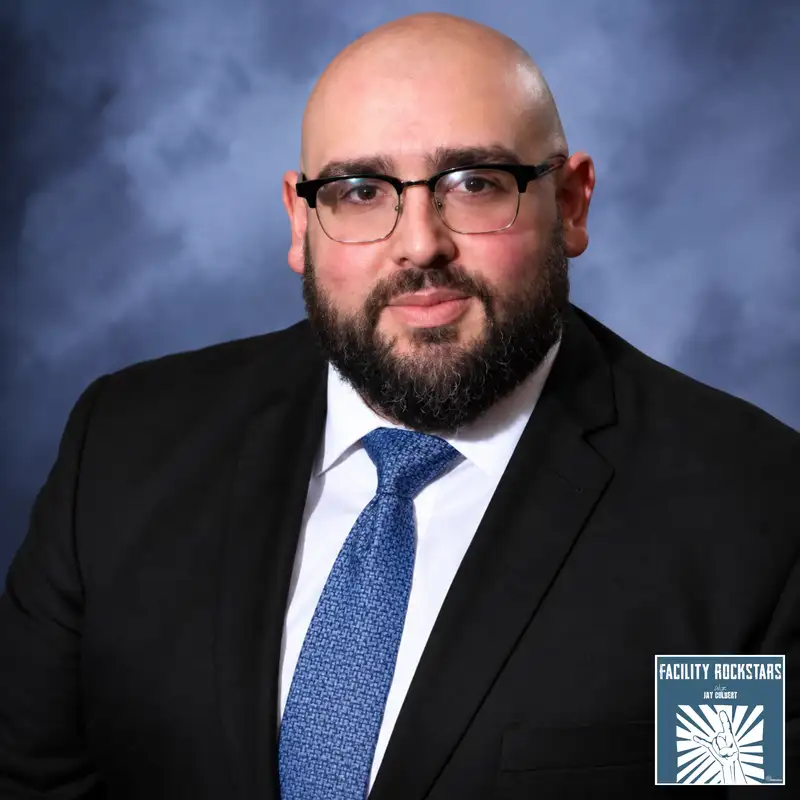
Safety Is the Foundation, People Are the Job: James Chapdelaine on Building Trust from the Floor Up

In the 5th installment of our special EHS series, host Jay Culbert sits down with James Chapdelaine, Senior Manager of Environmental Health and Safety at CIRCOR International, shares how nearly two decades in EHS taught him that his real job isn't safety; it's people.  He explains why the strongest safety programs are never built behind a desk, but developed alongside the employees who use them every day, and how listening, communicating, and following through are what actually earn buy-in on the floor. James also walks through how a failed pre-shift inspection program at his former company, Stanley Black & Decker, evolved from a generic paper checklist to a fully digital process,  a case study in his personal motto, "small improvements, lasting change." He closes with a candid conversation about staying "steady in the storm" as a leader, breaking down silos between EHS, facilities, and HR, and what drives him outside of work.  Takeaways:Lead with trust, not authority. Safety programs succeed when people believe in why they exist — not just because they're written well.Invite every concern, safety-related or not. Being willing to help with small, non-safety issues is often what opens the door to bigger trust.Close the loop, every time. Even when a fix takes time, communicating progress keeps people from feeling ignored — and keeps them coming back with feedback.Expect to fail, then adapt. James's pre-shift inspection program went through three iterations — generic paper, detailed paper, then digital — before it worked.Make incremental progress your operating philosophy. "Small improvements, lasting change" keeps overwhelming projects from becoming paralyzing.Stay steady under pressure. A calm, consistent leader gives a team permission to stay focused instead of panicking.Break down departmental silos. EHS, facilities, maintenance, and HR need to move together — rolling out a program without the right partners in the room is a setup for failure. Quote of the Show: "You can have the best written safety program or procedure in the world... but if people don't understand it, they don't believe in it, then it's just set up to fail right out the gate." Links:LinkedIn: https://www.linkedin.com/in/jamesezrachapdelainecshm/ Website: https://www.circor.com/ 
#123

The Hidden Cost of Shortcuts with Darin Goodwin

Creating a strong safety culture isn't about policing people. It's about earning trust, communicating clearly, and helping employees understand why safety matters. In this episode of Facility Rockstars, Jay Culbert sits down with Darin Goodwin, HSE Senior Manager supporting Takeda Pharma Global at CBRE Global Workplace Solutions. Drawing on more than 30 years of environmental health and safety leadership, Darin shares practical lessons on building a culture where people feel empowered to speak up, stop unsafe work, and take ownership of protecting themselves and those around them. From improving training engagement and documentation to changing workplace behaviors through empathy instead of authority, Darin explains why safety professionals are at their best when they work with people instead of against them. The conversation also explores leadership, communication, technology, distracted workplaces, and why every safety decision has an impact that extends far beyond the individual involved. Takeaways:Communication removes uncertainty: Clear expectations and open dialogue eliminate the "gray areas" where misunderstandings and safety issues often develop. Great safety leaders communicate just as effectively with executives as they do with frontline employees.People need to understand the "why”: Rules alone rarely change behavior. When employees understand why a procedure exists and the real consequences of ignoring it, they're much more likely to make safer decisions.Safety culture is built through relationships: Employees respond far better to leaders who coach and support than those who simply enforce rules. Working alongside people creates trust, accountability, and long-term buy-in.Strong processes create safer outcomes: Checklists, documentation, supervisor approvals, and consistent procedures help remove uncertainty and ensure important safety steps aren't skipped when work gets busy.Every incident impacts more than one person: A workplace injury affects coworkers, families, productivity, and the organization as a whole. Safety isn't just about preventing accidents. It's about protecting people's lives both inside and outside of work.Never hesitate to stop unsafe work: Stop-work authority exists for a reason. Speaking up before something goes wrong is one of the most important responsibilities anyone can have in creating a safer workplace. Quote of the Show:"Always be open in communication with people so they know what you're expecting. You get more with sugar than you do with spice." Links:LinkedIn: https://www.linkedin.com/in/daringoodwin/ Website: https://www.cbre.com/services/manage-properties-and-portfolios/facilities-management 
#122

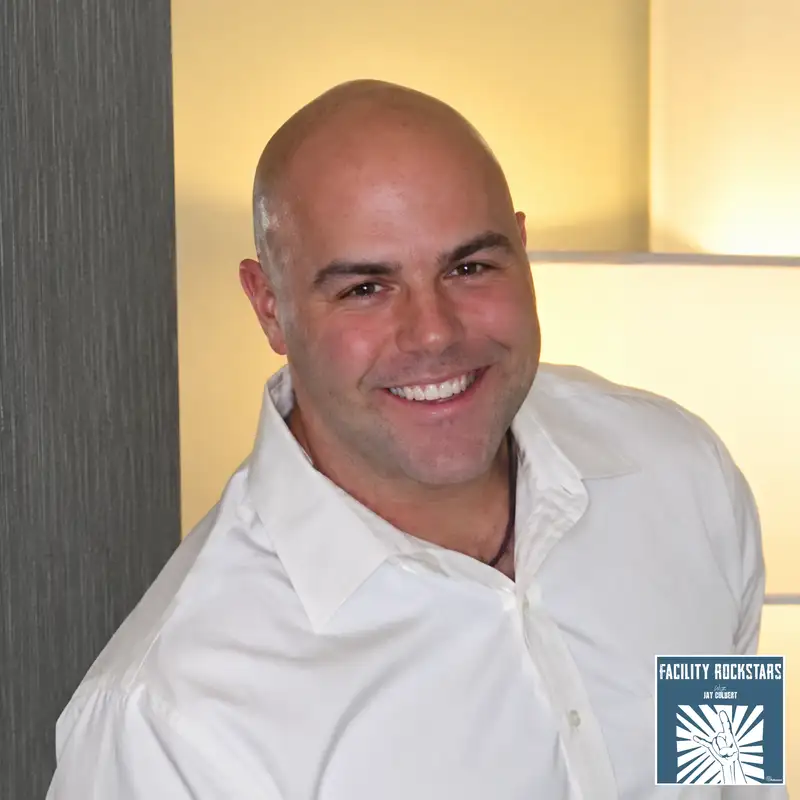
Why Safety Culture Starts with Human Connection with Jason Hyde

Part three of our special six-week series spotlighting Environmental Health & Safety (EHS) professionals features Jason Hyde, EHS Manager at SIGCO, Inc., whose approach to safety leadership goes far beyond compliance. Jason shares why building a strong safety culture starts with understanding people, not just policies. From creating personal connections that change behavior to navigating language barriers, mental health, and emergency preparedness in today's evolving workplace, he explains why the best safety leaders focus on trust, communication, and employee engagement. This conversation offers practical insights for anyone responsible for protecting people while building a culture where employees genuinely want to do the right thing. Takeaways:Safety culture is built through people, not policies. Compliance is essential, but regulations alone don't change behavior. Creating personal connections and helping employees understand why safety matters is what drives lasting cultural change.Make safety personal. Every employee has a different motivation for working safely. Leaders who take the time to understand what matters most to their people can create conversations that lead to meaningful behavior change.Your workforce is one of your greatest resources. Instead of trying to solve every communication challenge alone, empower employees to become part of the solution. Leveraging bilingual subject matter experts and involving frontline workers strengthens both understanding and trust.Never compromise what's right. Safety professionals will inevitably face pressure to take shortcuts. Jason explains why standing firm, presenting facts, and leading with integrity is essential for protecting both employees and organizational culture.Mental health is part of workplace safety. Supporting employees also means recognizing when someone may be struggling outside of work. Jason encourages safety professionals to care for both their teams and themselves because difficult situations are an unavoidable part of the job.Challenges create better leaders. Jason reflects on how COVID forced safety teams to rethink communication, training, and operations, ultimately creating new tools and approaches that continue to improve workplace safety today. Quote of the Show:"Never compromise what's right. You compromise that value once, and you'll compromise it every time after that." Links:LinkedIn: https://www.linkedin.com/in/jason-hyde-b02158144/ Website: https://www.sigcoinc.com/