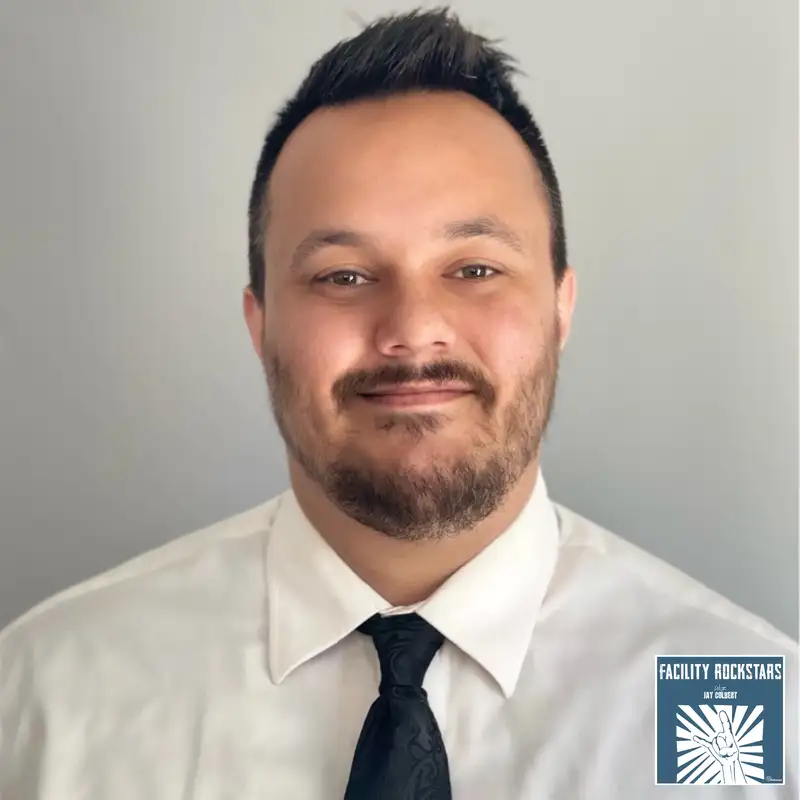
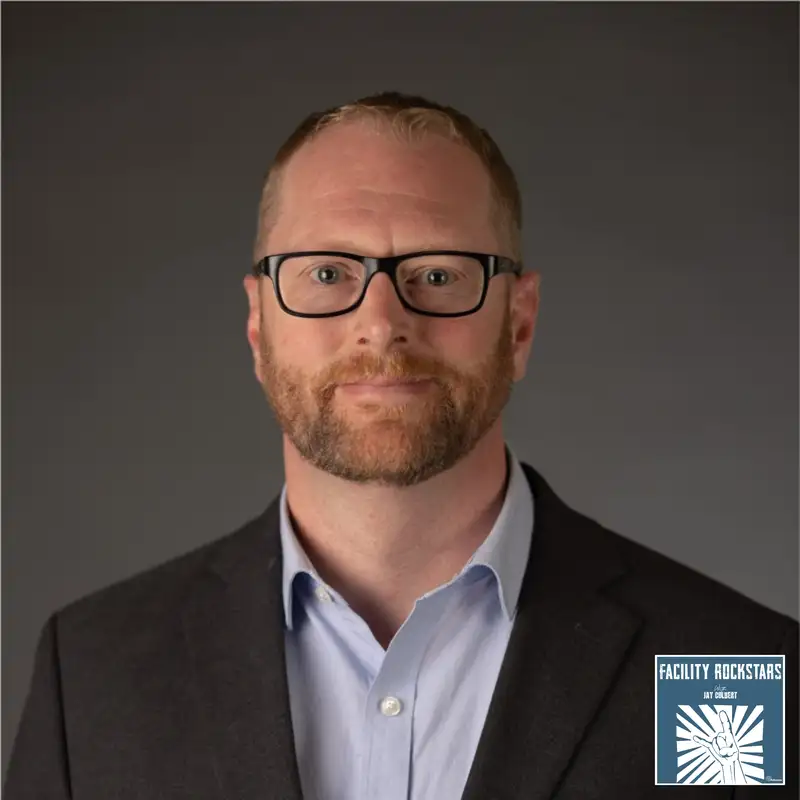
Amanda Goyette Producer

Amanda Goyette

Appears in 128 Episodes

#141

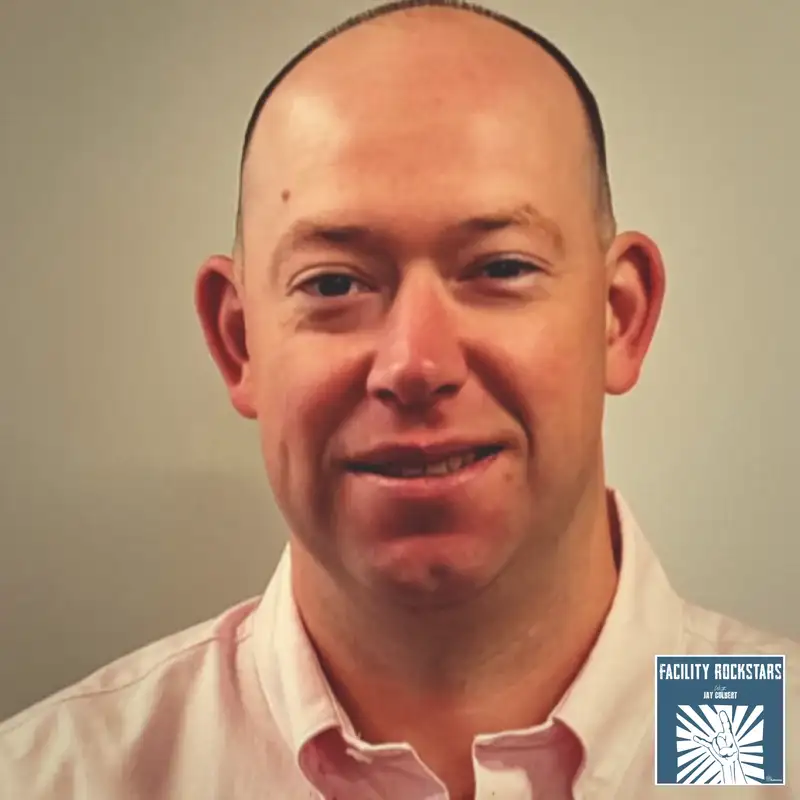
Stop Waiting for Opportunities. Kick the Door In with Chad Haskell

The best opportunities in your career might be the ones you never expected. The question is whether you're willing to take them. In this episode of Facility Rockstars, host Jay Culbert welcomes Chad Haskell, Senior Director of Global Real Estate and Facilities at IPG Photonics, to discuss the leadership lessons he's learned throughout nearly three decades in facilities management. From starting his career as an HVAC mechanic at MIT to overseeing global real estate portfolios and major capital projects, Chad shares how embracing opportunities, moving with urgency, and understanding the importance of perception have shaped his professional journey. Chad also reflects on the challenges of transitioning from a mechanic to supervising his former colleagues, explaining why empathy, communication, and empowering employees are essential to building high-performing teams. He discusses the financial responsibilities of facilities leadership, including why unused budget dollars should sometimes be redirected to support other areas of the business. Plus, Chad offers advice on learning from mistakes, strengthening professional networks, and preparing the next generation of facility leaders.   Takeaways: Perception is reality. Meeting deadlines and budgets doesn't automatically mean success. Facility leaders must understand what their customers expect and communicate effectively throughout the process. Move with urgency, but have a plan. Chad explains why maintaining momentum, anticipating obstacles, and executing efficiently are essential to delivering results. Never turn down an opportunity too quickly. Chad's unconventional path from the trades to global leadership demonstrates how saying yes to unexpected opportunities can change the trajectory of a career. Great leaders empower their teams instead of micromanaging. After being promoted to supervise former colleagues, Chad learned the importance of empathy, trust, and giving employees the resources to succeed. Facilities leaders must understand the financial side of the business. Responsible budgeting isn't just about spending less. It's about ensuring resources are being used where they create the most value. Mistakes are opportunities to improve. Chad encourages facility professionals to learn from small failures, conduct honest project reviews, and avoid repeating the same mistakes. Your professional network is one of your greatest resources. Facility professionals often face similar challenges, and reaching out to peers can lead to valuable solutions, guidance, and career opportunities. Quote of the Show: “If an opportunity is presented, take advantage of that opportunity. Exploit it. Kick the door in and run through it and see where it takes you.” Links: LinkedIn: https://www.linkedin.com/in/rfhaskell/  Website: https://www.ipgphotonics.com/ 
#140

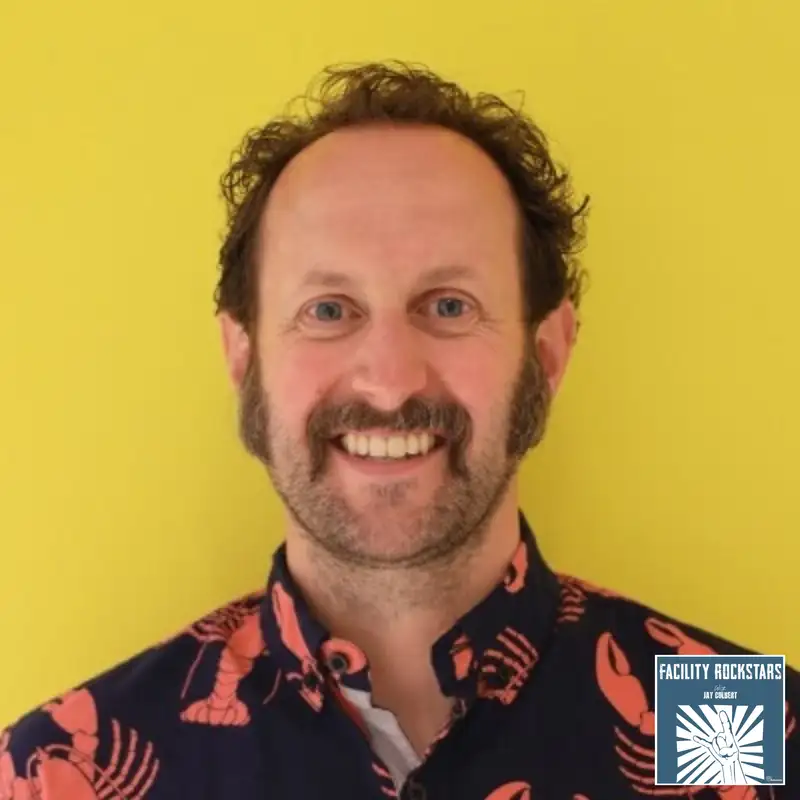
The Most Important Facility Management Skill Isn't Technical with Darrell Interess

Technical expertise can solve a problem, but strong relationships can make all the difference when things go wrong. In this episode of Facility Rockstars, host Jay Culbert sits down with Darrell Interess, Associate Director of Facilities at LabCentral, to explore why communication, collaboration, and building meaningful relationships are essential to success in facilities management. With more than 20 years of experience across engineering, environmental sciences, and facilities operations, Darrell reflects on his unconventional career path and the leadership lessons that have shaped his approach to managing people and complex facilities. Darrell shares the story of a major air handling unit failure early in his time at LabCentral, explaining how knowing who to call and relying on trusted partners helped him navigate the unexpected challenge. He also discusses what it takes to support approximately 70 life sciences startups, balance capital projects with ongoing operations, and empower employees to make decisions with confidence. Plus, Darrell offers his perspective on AI, automation, and why facility professionals must balance emerging technology with hands-on experience and good judgment.   Takeaways: Relationships matter more than you might expect. Darrell explains why developing genuine connections with colleagues, contractors, and partners has become one of the most important lessons of his career. Knowing who to call is a critical facility management skill. When a major air handling unit failed early in his time at LabCentral, Darrell relied on trusted contractors and partners to navigate the emergency and keep operations moving. How you communicate matters just as much as what you communicate. From planned shutdowns to unexpected disruptions, Darrell shares how transparency, humor, and a human approach can make difficult conversations more productive. Great leaders give their teams room to make decisions. Darrell emphasizes the importance of supporting employees, allowing them to develop their own judgment, and helping them learn through real-world problem-solving. Flexibility is essential when supporting innovation. Managing facilities for approximately 70 life sciences startups requires balancing standardized systems with the unique needs of each organization. Don't put off difficult projects simply because they're inconvenient. Darrell discusses the importance of proactive planning, understanding operational impacts, and making decisions that support long-term facility performance. Technology is valuable, but experience and judgment still matter. As AI and automation become more common, Darrell encourages facility professionals to question the data, understand its practical value, and verify what is actually happening in their buildings. Quote of the Show:  “The numbers on the screen are telling us something, telling us a story, but there's no substitute for getting out there.” Links: LinkedIn: https://www.linkedin.com/in/dinteress/  Website: https://www.labcentral.org/ 
#139

The Safest Choice Should Be the Easiest Choice with John Gilmartin

What if the biggest obstacle to workplace safety isn't the people doing the work, but the systems they're working within? In this episode of Facility Rockstars, host Jay Culbert sits down with John Gilmartin, Senior EHS Manager at Ultragenyx, to explore what it really takes to create safer workplaces, build stronger teams, and make safety an essential part of everyday operations. With more than a decade of experience across biotechnology, healthcare, academic research, and advanced technology environments, John brings a unique perspective on the relationship between environmental health and safety and facilities management. John shares why creating a culture where employees feel comfortable speaking up is essential, how proactive communication and planning can prevent safety from becoming a roadblock, and why the best solutions often come from listening to the people doing the work. He also discusses the importance of prevention through design, the growing influence of AI and automation on EHS, and a real-world chemical waste incident that demonstrates why organizations need to make safe behaviors easier, not harder. From building trust across departments to eliminating hazards before they become incidents, John reminds us that great safety programs aren't just about enforcing rules. They're about creating environments where people are set up to succeed.   Takeaways: Flexibility is essential in facilities and EHS leadership. Priorities, regulations, and operational needs can change without warning. John explains why being adaptable helps teams respond effectively and build stronger working relationships. Communication only works when people feel heard. Providing multiple ways for employees to report concerns, share observations, and offer feedback is important, but taking action on that information is what builds trust. A blame-free culture encourages employees to speak up. John emphasizes psychological safety and the importance of looking for systemic solutions rather than simply assigning blame when incidents occur. Frontline employees should help shape safety procedures. The people performing the work often have the clearest understanding of the risks and challenges involved. Including them in risk assessments and SOP development leads to more practical solutions. Proactive planning prevents safety from slowing down operations. By coordinating with facilities teams and contractors early, EHS professionals can address permits, training, and job hazard assessments before work begins. Prevention through design is an ongoing process. John discusses why organizations should identify hazards during initial planning and continue improving equipment, procedures, and work environments based on employee feedback. The safest choice should also be the easiest choice. Through a real-world chemical waste incident, John illustrates how workplace layouts, labeling, and processes can unintentionally create opportunities for mistakes and why leaders must design systems that help prevent them. Quote of the Show:  “You want the easiest route to be the safest route so that people default to being safe.” Links: LinkedIn: https://www.linkedin.com/in/john-gilmartin-247ab5b2/  Website: https://www.ultragenyx.com/ 
#138

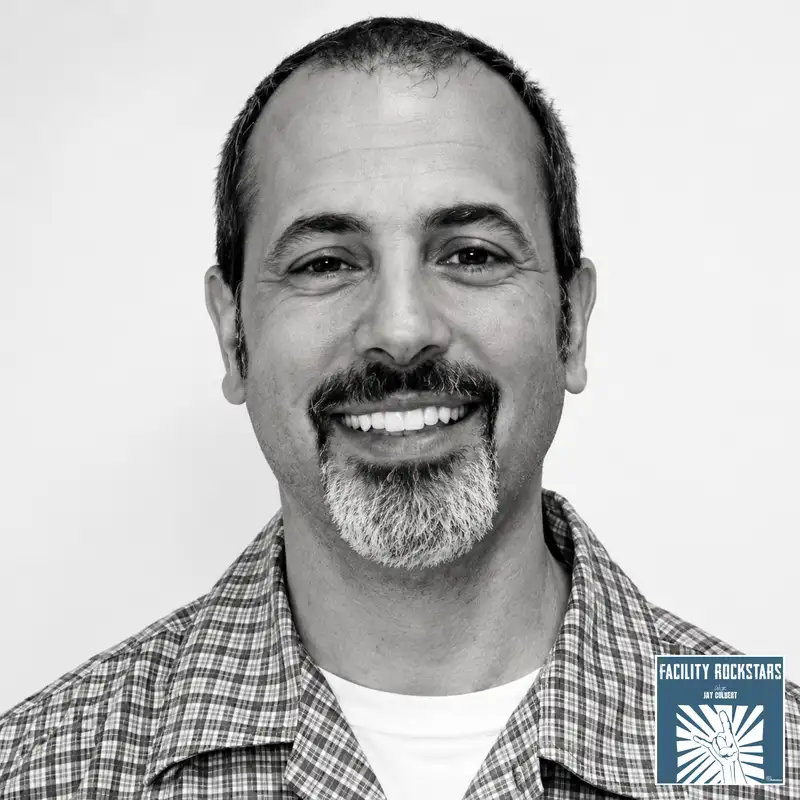
You're Only as Good as Your Team with Peter Muto

What makes a great facility leader? Is it technical expertise, operational efficiency, or the ability to bring out the best in others? In this episode of Facility Rockstars, host Jay Culbert sits down with Peter Muto, Senior Director of Facilities at Cell Signaling Technology, to explore the lessons he's learned throughout more than three decades in facilities management, environmental compliance, and operational leadership. Peter shares why the people around you are often the biggest factor in your success, how investing in employee development can transform careers, and why strong teams need a balance of different personalities and ambitions. He also reflects on his unconventional career journey, the leadership mistakes that shaped his decision-making, and the importance of learning from those around you. The conversation also explores how Cell Signaling Technology is turning sustainability commitments into meaningful action, from employee-led environmental initiatives to energy conservation projects. Plus, Peter discusses the growing role of artificial intelligence in facilities management and how predictive technologies could change the way teams operate.   Takeaways: You're only as good as the people around you. Peter explains why strong teams, supportive leadership, and a positive organizational culture are essential to long-term success. Investing in people can transform careers. Through the story of an employee who advanced from a cleaning position into a key facilities role, Peter demonstrates the impact of providing opportunities for education and professional growth. Not everyone needs the same career path. Effective leaders recognize the value of both employees who want to advance and those who excel in their current positions. Leadership requires perspective and patience. Peter reflects on a difficult situation early in his career that taught him the importance of considering the bigger picture before making decisions. Sustainability requires action and investment. Peter shares how Cell Signaling Technology supports environmental initiatives through cross-functional collaboration, recycling programs, energy conservation, and organizational commitment. AI is creating opportunities for more proactive facilities management. From predictive maintenance to accessing equipment information and analyzing operational data, Peter discusses how technology can help facility teams work more efficiently. Surround yourself with people you can learn from. Whether you're entering the facilities industry or have decades of experience, Peter emphasizes the value of mentorship, peer relationships, and continuous learning. Quote of the Show:  “You're only as good as the people that you work with, work for, and have around you.” - Peter Muto Links: LinkedIn: https://www.linkedin.com/in/peter-muto-7819b152/ Website: https://www.cellsignal.com/ Reach out to Peter: pmuto@cellsignal.com Peter’s Cell: 978-578-6736 Ways to Tune In: Facility Rockstars Website:  YouTube:  Spotify: https://open.spotify.com/show/0M2XB78b09i5vkWy1eHsxb  Apple Podcasts: https://podcasts.apple.com/us/podcast/facility-rockstars/id1729458441  Amazon Music: https://music.amazon.com/podcasts/60bbc4f3-a123-47ca-9a83-eade102c5859/facility-rockstars  Podchaser: https://www.podchaser.com/podcasts/facility-rockstars-5616662  Facility Rockstars is sponsored by Kaloutas, operating the way you operate in order to make your life easier. Learn more at: https://www.kaloutas.com 
#137

Stay Current, Stay Honest: Colby Fillippelli on the Art of Facilities Leadership (Re-Air)

As Facility Rockstars and IFMA Boston continue to strengthen our partnership, we're revisiting a conversation that reflects our shared commitment to supporting, connecting, and elevating facilities professionals. Through this growing collaboration, we're working to bring more industry voices, valuable insights, and opportunities for professional development to the facilities community. This episode is a great reminder of why that mission matters and the importance of learning from the leaders who are helping move our industry forward. In this episode, Jay Culbert sits down with Colby Fillippelli, Senior Vice President of Facilities at JLL and **President of IFMA Boston**. With over 25 years of facilities management experience, including leadership roles at Dunkin' Brands, Hasbro, and Novartis, Colby shares his journey from HVAC technician to executive leadership and the lessons that shaped his career. At the heart of his philosophy is a simple but powerful belief: facilities is a people business that just happens to involve buildings. From navigating unexpected emergencies to using data to build more proactive teams, Colby shares practical insights on leadership, communication, and professional growth. He also emphasizes the importance of mentorship, staying connected to the industry, and giving back to the next generation of facilities professionals. As Facility Rockstars and IFMA Boston continue working together to strengthen the facilities community, conversations like this highlight what we can accomplish through shared knowledge, meaningful connections, and a commitment to advancing the profession. And we're just getting started! Stay tuned for more information about upcoming Facility Rockstars events and opportunities to connect with fellow industry professionals. We may even have a surprise or two in store!   Takeaways: Be honest and ask questions constantly. Admitting what you don't know and asking for help isn't weakness — it's how you grow. The most effective facilities professionals don't fake it; they ask, learn, and communicate openly at every stage of their career. Shift from reactive to proactive using metrics. Tracking patterns in your work orders and recurring issues isn't just good practice — it drives cost savings, reduces risk, and transforms how your team operates. If you're not measuring it, you can't improve it. Communicate early, even without all the answers. Don't wait until you have perfect information to update your team or clients. Timely, honest communication — especially during a crisis — builds credibility and keeps everyone moving in the right direction. Your vendor relationships are your lifeline. Know your vendors personally before you sign a contract. When something goes wrong at 10 PM, those relationships are what keep operations from falling apart. Invest in them the same way you invest in your team. Know when to defer maintenance — and when you absolutely can't. Deferring critical infrastructure like HVAC PMs, arc flash updates, or major MEP work is a risk not worth taking. A seasoned facilities leader knows how to make the case for doing it right the first time. Pay it forward to the next generation. The industry is losing decades of institutional knowledge as Baby Boomers retire. Those with experience have a responsibility to mentor, educate, and actively invest in emerging professionals — both inside their organizations and through groups like IFMA. Mindset and attitude are as important as technical skills. Showing up with energy, professionalism, and a team-first mentality isn't optional — it's what makes everything else work. As Colby puts it: you're not curing cancer, so bring some levity to the work. Quote of the Show:  "Follow-through matters more than intent, and your reputation compounds over time." Links: LinkedIn: https://www.linkedin.com/in/colby-fillippelli-cfm-8591097/  Company Website: https://www.jll.com/en-us/  IFMA Boston Website: https://ifmaboston.org/ 
#136

The Best Leaders Get Comfortable Being Uncomfortable with Kristie Boissonneault

What happens when safety requirements and operational deadlines collide? For Kristie Boissonneault, the answer isn't to point fingers or shut everything down. It's to find a way forward together. In this episode of Facility Rockstars, host Jay Culbert sits down with Kristie Boissonneault, Associate Director of Environmental Health and Safety at Moderna, to explore what it really takes to build trust, influence others, and create a lasting safety culture. With more than a decade of experience spanning hazardous waste management, environmental compliance, sustainability, and EHS leadership, Kristie has learned that technical expertise is only part of what makes a great safety professional. Kristie shares how she's learned to embrace pushback, build confidence through taking risks, and work alongside facilities teams rather than acting as a roadblock. From finding creative solutions to complex compliance challenges to navigating a real-world hot work permit situation, she explains why curiosity, collaboration, and accountability can turn everyday challenges into opportunities for long-term improvement.   Takeaways: The best leaders never stop learning. Kristie explains why humility and recognizing that you don't have all the answers are essential to becoming a stronger leader and building trust with others. Safety professionals should be partners, not rule enforcers. Understanding the goals and challenges of other departments helps EHS leaders create solutions that protect employees without unnecessarily disrupting operations. Don't take pushback personally. Resistance often comes from competing priorities, budgets, or deadlines. Great leaders work to understand those concerns rather than becoming defensive. Confidence comes from doing uncomfortable things. Kristie shares how taking risks, making mistakes, and learning to recover from setbacks helped her become more confident throughout her career. Technical expertise alone doesn't create influence. Strong communication, relationship-building, and interpersonal skills help EHS professionals inspire action, even when the people involved don't report directly to them. Look for solutions before accepting limitations. When a refrigerant management program needed improvement but new software wasn't financially feasible, Kristie worked with facilities to find a solution using existing systems. Build a culture of learning instead of blame. Through a real-world hot work permit example, Kristie demonstrates how addressing process gaps collaboratively can create lasting improvements in safety culture. Quote of the Show:  “What differentiates good leaders from great leaders are those who can work with the pushback and not take it personally.” Links: LinkedIn: https://www.linkedin.com/in/kristieboissonneault/  Website: https://www.modernatx.com/ 
#135

Find Your Voice and Stand Your Ground with RTX's Laurie Geringer

What does it take to find your voice in an industry where you're often the only woman in the room? In this episode of Facility Rockstars, host Jay Culbert sits down with Laurie Geringer, Facilities Specialist at RTX, to discuss the challenges of navigating a male-dominated industry, managing complex facility projects, and adapting to the changing demands of the modern workplace. With more than two decades of experience supporting organizations like Cisco, MITRE, and RTX, Laurie has built her career around solving space challenges, coordinating stakeholders, and finding creative solutions to keep organizations moving forward. From managing multimillion-dollar construction projects to navigating the complicated return-to-office transition, Laurie shares why curiosity, confidence, and adaptability have been essential to her success. She also explains the surprising psychology behind workspace planning, why facility professionals need to embrace uncomfortable situations, and how asking questions helped her find her voice and build a career on her own terms.   Takeaways: Find your voice, even when you're the only one in the room. Laurie shares her experience navigating a male-dominated industry and explains why confidence, assertiveness, and standing your ground are essential to building credibility. Don't be afraid to ask questions. Early in her career, Laurie worried about appearing inexperienced. Now, she sees curiosity as one of the most valuable tools for learning, solving problems, and bringing fresh perspectives to the table. Growth happens when you get uncomfortable. Whether taking on an intimidating project or stepping into an unfamiliar situation, Laurie encourages professionals to embrace challenges and break overwhelming tasks into manageable pieces. Facility planning is about people, not just square footage. Laurie compares space planning to solving a puzzle, where building constraints, employee needs, and operational requirements must all come together to create a functional workplace. Workplace changes are as much psychological as they are operational. From employees reluctant to give up private offices to the challenges of returning to work after COVID, Laurie explains why understanding people's emotional attachment to their workspaces is critical. Prioritization is essential when no two days look alike. Facility professionals constantly balance competing demands, unexpected requests, and major projects. Laurie emphasizes understanding deadlines, assessing priorities, and recognizing how your work affects others. Take ownership of your career development. Laurie's advice to emerging professionals is to speak up, volunteer, ask questions, and pursue opportunities rather than waiting for someone else to create a path for them. Quote of the Show: “I ask lots and lots of questions. So I found my voice, and I just haven't stopped since.”  Links: LinkedIn: https://www.linkedin.com/in/lauriegeringer/  Website: https://www.rtx.com/ 
#134

Nobody’s Dying. Stay Calm and Make the Call with Rick Kaiser

What does leadership look like when the stakes are at their highest? And what happens when those same lessons are applied to the everyday challenges of leading a team? In this episode of Facility Rockstars, host Jay Culbert sits down with retired Navy SEAL Master Chief Rick Kaiser, Executive Director of the National Navy SEAL Museum, Silver Star recipient, author of Frogman Stories, and veteran of 34 years of military service. Rick shares lessons from his time with SEAL Team Two and SEAL Team Six, including his experience during the Battle of Mogadishu, and explains why some of the most important lessons in leadership come down to staying calm, holding people accountable, and being willing to do the same jobs you ask of your team. Rick also takes Jay inside the leadership challenges of running the Navy SEAL Museum, where facilities, volunteers, operations, and unexpected problems all come with the territory. From cleaning toilets in Bosnia to handling logistics at SEAL Team Six, Rick's stories reinforce a simple idea: titles don't excuse leaders from getting their hands dirty. Great leaders step up, set the example, listen to their people, and make the call when it matters.   Takeaways: Being a good follower and listener helps you become a better leader. Leadership isn’t always about taking charge. Rick emphasizes recognizing when it’s time to lead, when it’s time to follow, and when it’s time to get out of the way. Leaders have to be willing to do the jobs they ask of others. Whether taking the least desirable seat during a mission or cleaning toilets for his team in Bosnia, Rick believes leaders have to set the example through their own actions. Accountability keeps teams operating effectively. Rules and expectations only work when they’re reinforced. Rick explains why someone has to “hold the line” and why a lack of consequences can quickly lead to chaos. Mental toughness can outweigh raw physical ability. Rick says succeeding in BUD/S requires physical capability, but the defining characteristic is the mental toughness to continue when quitting becomes the easier option. When a challenge feels overwhelming, focus on getting through the next hour. Rick describes approaching some of the hardest moments of SEAL training hour by hour rather than allowing the entire challenge to become overwhelming. Staying calm allows leaders to make better decisions under pressure. Instead of getting swept up in workplace chaos, Rick believes leaders should put the situation into perspective, gather input from the people around them, and make a decision. Great facilities teams make everything else possible. Now running the Navy SEAL Museum, Rick sees firsthand how much an organization depends on its facility professionals. When the building and its systems work, everyone else can focus on accomplishing the mission. Quote of the Show:  “A bad call is better than no call at all.” Links: Email: RKaiser@navysealmuseum.com  Website: https://www.navysealmuseum.org/  Book: “Frogman Stories: Life and Leadership Lessons from the SEAL Teams”https://a.co/d/08asAYst  Shoutouts:  Elaine Ryan: https://www.linkedin.com/in/laineryan/  Swim with a Misson (SWAM): https://www.swam.org/  Navy Seal Museum San Diego: https://navysealmuseumsd.org/   Admiral McRaven Jack Carr Sal DeFranco Matt Anthony
#133

You’ll Never Stop Firefighting Without the Right Systems with Dean Vieira

Facilities teams can spend their entire day putting out fires, but without the right systems in place, that cycle never ends. In this episode of Facility Rockstars, host Jay Culbert sits down with Dean Vieira, Facilities Maintenance Manager at CA Design, to talk about his transition from technician to facilities leader and what he has learned about building more proactive, reliable maintenance operations. Dean shares how one team went from roughly 80% reactive maintenance to 80% proactive and preventive maintenance, why tracking the work was a critical first step, and how consistency helped make the change stick. Dean also explains why technical expertise alone isn't enough when you move into leadership. He discusses learning to view problems through a business lens, earning management's trust by delivering on promises, getting teams to embrace new systems, and protecting yourself from burnout in a career that rarely fits neatly into traditional working hours.   Takeaways: Stop accepting firefighting as the norm. Without systems and processes in place, reactive maintenance will continue consuming the team's time. Track before you try to improve. Dean's team used maintenance software to understand what they were actually doing and identify recurring failures that could become preventive tasks. Facilities leaders have to think beyond the repair. Moving from technician to manager required Dean to consider production value, priorities, downtime, and the overall needs of the business. You don't need to use every feature of your CMMS. Dean's team eventually identified the functions that mattered most and focused on consistently using those instead of trying to do everything. Consistency creates lasting change. Dean describes persistence, rather than demanding immediate compliance, as one of his most effective approaches to changing behavior. Trust gives your ideas more runway. When leadership knows you deliver on what you promise, they're more likely to listen when you bring them difficult news or ask for additional resources. Protect yourself from burnout. Facilities work often means weekends, off-hours calls, and interrupted vacations, making the ability to switch off especially important. Quote of the Show:  “If you don't put systems in place, you will never stop firefighting.” Links: LinkedIn: https://www.linkedin.com/in/dean-vieira-cfm-60891abb/  Website: https://c-a-design.com/ 
#132

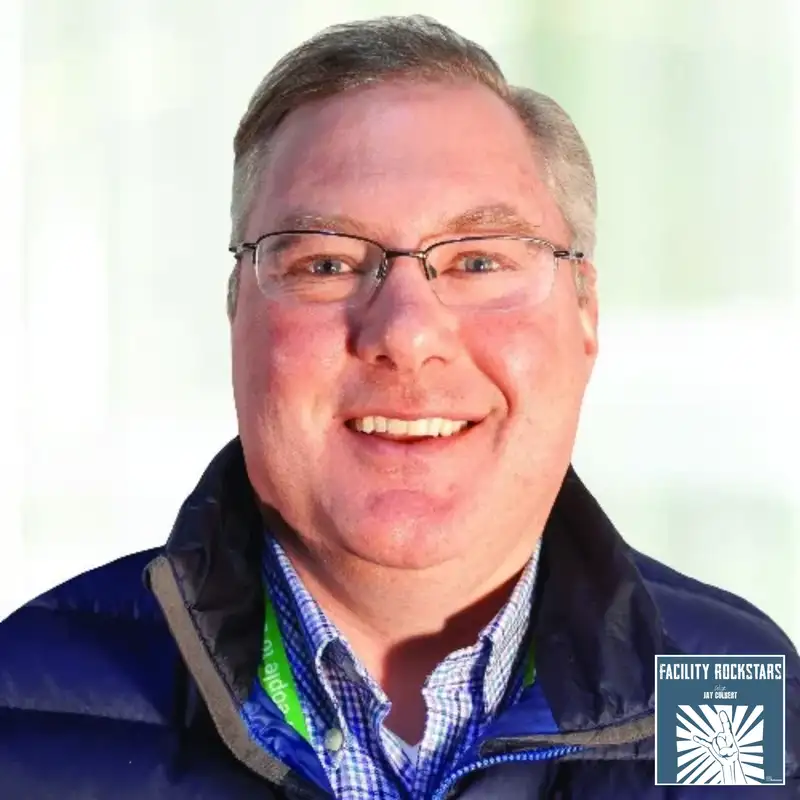
When 70,000 People Show Up, Everything Has to Work with Andrew MacFadyen

Facilities work often goes unnoticed when everything is running smoothly. In this episode of Facility Rockstars, host Jay Culbert sits down with Andrew MacFadyen, Regional Vice President of Engineering at UG2, to discuss the lessons he’s learned over more than two decades in facilities, including his experience at some of New England’s most recognizable sports and entertainment venues. Andrew shares stories from major projects at Gillette Stadium and TD Garden, along with his approach to leadership built on honesty, empathy, and communication. He also discusses how AI is helping him work more efficiently, why human judgment still matters, and the importance of hands-on experience and strong relationships in facilities.   Takeaways: Facilities success often happens behind the scenes. Andrew compares facilities professionals to offensive linemen and a duck swimming across the water: everything may look effortless from the outside, while an incredible amount of work is happening underneath. Trust starts with how you treat people. Andrew’s biggest leadership lesson is simple: treat others the way you want to be treated. Honesty, empathy, and transparency can create a strong foundation for relationships with employees and customers. Emotional intelligence changes how you communicate. Transparency does not mean communicating with everyone in exactly the same way. Strong leaders learn to read the room and understand what to say, when to say it, and who needs to hear it. Preparation needs contingency plans. During a major TD Garden renovation, Andrew’s team balanced construction with an active event schedule. Success required constant communication between stakeholders and backup plans for when materials, schedules, or other variables changed. Facilities can shape the customer experience. Facility teams cannot control what happens on the field, court, or ice, but they can control the environment around it. Cleanliness, comfort, security, food service, and reliable building operations all contribute to the experience. AI works best as a tool, not a replacement for judgment. Andrew has found value in using AI for difficult communications, SOP development, reporting, data analysis, and troubleshooting, while still emphasizing the importance of human oversight. The trades need the next generation. With an aging workforce, Andrew sees significant opportunity for young professionals willing to learn technical skills, ask questions, and gain hands-on experience. Build your network before you need it. Looking back, Andrew wishes he had invested more time earlier in his career attending conferences, continuing his education, and developing industry relationships. In facilities, the person who can help solve your next challenge may only be a phone call away. Quote of the Show:  “Stay true to who you are and continue to treat others the way you want to be treated.” Links: LinkedIn: https://www.linkedin.com/in/andrew-macfadyen-391b494/  Email: andrew_macfayden@yahoo.com  Website: https://ug2.com/ 
#131

When Things Go Wrong: How Facility Leaders Rise to the Challenge

Every facilities professional has a story about the moment when things didn't go according to plan. In this special compilation episode of Facility Rockstars, we're revisiting conversations with Robert “Bob” Mack, Director of Facilities and Laboratory Operations at Korro Bio; Andrew DelPrete, Senior Facility Manager at Liberty Mutual Insurance and former President of IFMA Boston; Mark Netherton, Maintenance Manager at Grower Direct Farms; Carrie Battafarano, formerly Maintenance Manager at Nouria and now Business Development Manager at A-PRIME; Jeff Chierepko, Vice President of Global Facilities Management, Construction, CRE & EHS at SIG Sauer; Derek Earp, formerly Facilities Manager at UG2; and Jeff Beaudry, Regional Facilities Director at Appleton Corporation. Together, they share some of the toughest challenges they've faced throughout their careers and what it took to work through them. From a devastating facility fire and high-stakes safety incidents to troubled construction projects, vendor communication breakdowns, transitioning into management, and developing the next generation of leaders, these stories show just how much can land on the shoulders of a facilities professional. More importantly, they reveal what happens next. You'll hear how preparation can make the difference when an emergency strikes, why communication and trusted relationships matter when solving problems, and why sometimes the biggest leadership challenge is resisting the urge to do everything yourself. Takeaways: Preparation shows its value when something goes wrong. Training, procedures, and strong safety programs give teams something to fall back on when they're faced with an unexpected incident. A strong team can make an enormous difference during a crisis. One facilities team went from losing power, water, technology, and major portions of its operation in a fire to restoring essential systems within days. Direct communication can prevent small problems from becoming recurring ones. When information has to pass through multiple vendors, the original expectations can easily get lost. Get the right people in the room. Construction, design, facilities, and project teams working in separate "pods" can create unnecessary meetings and slow down decision-making. Not every meeting needs to be an hour. Focused conversations with the people who can actually make decisions can keep projects moving. Doing it yourself isn't always good leadership. Taking the time to teach, delegate, and let others take ownership is essential for developing a team that can operate without relying on one person. Developing leaders requires continued support. Promoting talented people is only the beginning. Leaders need to stay engaged, check in, and help the people around them grow. Challenges become experience you can use later. The lessons learned from past mistakes and difficult situations can make teams better prepared for whatever comes next. Quote of the Show:  “It’s the best way to learn is making mistakes, and I’ve made, like, all of them.” — Jeff Chierepko Links: Mark Netherton LinkedIn: https://www.linkedin.com/in/marknetherton2/   Email: manetherton@gmail.com   Derek EarpLinkedIn: https://www.linkedin.com/in/derekearp/   Carrie Battafarano LinkedIn: https://www.linkedin.com/in/carrie-battafarano-82ab3a59/   Email: cbattafarano@nouria.com  Jeff ChierepkoLinkedIn: https://www.linkedin.com/in/jeff-chierepko-2126964b/   Bob MackLinkedIn: https://www.linkedin.com/in/bobmack9/  Andrew DelPreteLinkedIn: https://www.linkedin.com/in/andrew-delprete-a2b5807a/  Jeff BeaudryLinkedIn: https://www.linkedin.com/in/jeffrey-beaudry-a132b311a/  Email: jbeaudry@oconnells.com  
#130

You Have to Be the Example with Jonathan Gendron

Facilities management is demanding. Between 24/7 operations, unexpected failures, tight deadlines, and the responsibility of leading a team, it can be easy to put your own well-being on the back burner. In this episode of Facility Rockstars, Jay Culbert sits down with Jonathan Gendron, Field Engineering Manager at TJX Companies, to talk about the human side of facilities leadership. Jonathan shares why prioritizing mental health has become one of the biggest lessons of his career, how empathy and vulnerability have shaped his leadership style, and why great leaders need to be willing to show up alongside their teams when things get difficult. Jonathan also reflects on a catastrophic facility failure that cost millions of dollars in lost product, the importance of balancing proactive and reactive maintenance, and his journey from vocational school to a 15-year career spanning biotech, life sciences, power generation, and commercial retail. For Jonathan, strong facilities leadership ultimately comes down to a few fundamentals: keep learning, own your mistakes, care about your people, and bring the right attitude every day.   Takeaways: Prioritize your mental health. Facilities professionals are often expected to be everywhere and solve everything. Jonathan believes leaders need to take care of themselves if they expect to effectively take care of their teams. Never stop learning. Jonathan learns from mentors, leaders, direct reports, certifications, classes, and his own mistakes. Continuous learning keeps both his career and his work from becoming stale. Turn mistakes into teachable moments. Leaders aren't flawless. Jonathan believes admitting mistakes and sharing what you learned gives your team permission to do the same and can prevent them from repeating those mistakes. Empathy is a leadership skill. Understanding that employees have families, health concerns, and challenges outside of work can build trust and morale that people remember. Be the example you want your team to follow. When Jonathan's team responded to an emergency at 3:00 AM, he drove two hours to Boston to be there alongside them. Prepare to be proactive AND reactive. Preventive maintenance matters, but unexpected equipment failures will still happen. Strong facilities teams need a plan for preventing problems and responding when prevention isn't enough. Attitude can outweigh credentials. Jonathan's advice for someone entering facilities is simple: attitude is everything. Experience and credentials matter, but having the right attitude can take you a long way. Quote of the Show: “When you genuinely show that you care for your team, they will care for you. And they’ll care for their job as well.” Links: LinkedIn: https://www.linkedin.com/in/jonathan-m-gendron/  Website: https://jobs.tjx.com/global/en 
#129

Stop Blaming People: Build Better Systems with Ron Gantt

What if the biggest problem with workplace safety is the way we think about failure? In this episode of Facility Rockstars, Jay Culbert sits down with Ron Gantt, Vice President of Environmental Health and Safety at Beale Infrastructure, to challenge some of the traditional thinking around human error, incident investigations, and workplace safety. Ron explains why mistakes often aren't simply failures of the individual, but signs of a mismatch between people and the environments they're working in. Instead of asking who made the mistake, he encourages leaders to look at the demands people face, the resources available to them, and what can be changed to help them succeed. Jay and Ron also explore psychological safety, creating stronger relationships with contractors, moving away from punitive safety cultures, and why meaningful change doesn't always require a massive organizational initiative. Sometimes, the best place to start is with the part of the system you can actually control.   Takeaways: Get the right people in the room when solving problems. The people closest to the work often have context that leadership doesn't. Ron stresses involving the people who will actually be affected by a decision instead of designing processes for them without their input. Human error is often a symptom, not the root problem. Rather than assuming a mistake lives within an individual, Ron encourages leaders to examine the mismatch between a person and their environment. Look at what made the task difficult, what pressures were present, and whether the person had the resources needed to succeed. Build systems that account for the fact that people will never be perfect. Mistakes are inevitable, especially in complex and changing environments. Strong safety systems don't just try to prevent errors. They include safeguards that help people recover when something does go wrong. Incident investigations should help you decide what to do next. Understanding what happened matters, but Ron argues that the real value of an investigation is using what you learn to improve how the system operates today and tomorrow, rather than simply assigning blame for the past. Safety is more than the absence of accidents. Ron defines safety as the capacity to succeed even when conditions change. That means understanding the demands workers face and ensuring they have the resources, tools, training, and support needed to adapt. Ask, “What did we actually fix?” Punishment, retraining, or corrective action can make it look like an organization responded to an incident without addressing the conditions that contributed to it. The better question is whether the response actually made future work safer. Start small and focus on what you can control. Meaningful change doesn't always require a massive initiative or complete buy-in from senior leadership. Ron encourages safety professionals to change what they can within their own sphere of influence, demonstrate that it works, and allow those small wins to create momentum. Quote of the Show:  “Human error is a problem that lives in a mismatch between the person and their environment.” Links: LinkedIn: https://www.linkedin.com/in/ron-gantt/  Email: rongantt@hotmail.com  Website: https://bealeinfra.com/ 
#128

Show Up for the Jobs That Suck with Sean Dearnley

The best facility leaders don’t just tell their teams what needs to get done. They show up and do the hard work alongside them. In this episode of Facility Rockstars, Jay Culbert sits down with Sean Dearnley, GxP Facilities Manager at CRISPR Therapeutics, to talk about the lessons Sean has learned working his way from hands-on HVAC and maintenance roles into facilities leadership. Sean shares why small acts of discipline can have a major impact, how thoughtful planning can turn an intimidating facility shutdown into a smooth operation, and why creating a strong maintenance culture requires constant reinforcement. He also explains how his years as a technician continue to shape the way he plans, communicates, and leads today. From predictive maintenance and GMP documentation to communication and team building, Sean offers a practical look at what it takes to keep critical environments running while building a team that trusts one another.   Takeaways: Do the work upfront. Strong planning, preventative maintenance, and redundancy can make difficult situations much easier to execute when the time comes. Leadership doesn’t require a title. You can lead from any position by recognizing opportunities, communicating clearly, and helping the people around you succeed. Show up when the work gets difficult. Leaders build trust through action, especially when they are willing to work alongside their teams during the jobs no one wants to do. Listen to the people closest to the equipment. Operators and technicians often have valuable information that can make troubleshooting faster and more effective. Communication and documentation matter. In GMP environments especially, completing the repair is only part of the job. The ability to clearly communicate and document what happened separates good technicians from great ones. Quote of the Show:  “I don't think there's any better team-building exercise than being in a crappy situation and figuring it out with your team and getting through it.” Links: LinkedIn: https://www.linkedin.com/in/sean-dearnley-171a1399/  Website: https://crisprtx.com/ 
#127

The Lessons That Stuck: A Facility Rockstars Summer Recap

This summer brought some incredible conversations to Facility Rockstars, but across different industries, roles, and experiences, the same lessons kept showing up. In this special solo episode, Jay Culbert looks back at the conversations and experiences that defined the summer, from Facility Rockstars events and the special EHS series to discussions about curiosity, adaptability, leadership, safety, and building stronger relationships. Jay reflects on lessons from Tim Reynolds, Maria Ruiz, Nick Petrosino, Rich Martelli, Pete Susca, Lindsay Seiberling, Jason Hyde, Darin Goodwin, and several past EHS guests, while sharing the ideas that have stuck with him most. The biggest takeaway? Great facility leaders don't just understand their buildings. They understand their people. Jay also gives a preview of what's ahead this fall, including upcoming events, new collaborations, future guests, and more opportunities for the Facility Rockstars community to connect.   Takeaways: Stay curious enough to ask questions and humble enough to admit when you don't know something.  Leadership isn't about always having the answer. Sometimes it's about knowing which question to ask. You can't control every challenge, but you can control how you communicate, respond, and bring people together. Safety only works when you get the human side right. Build relationships before you need them. Trust is much harder to create in the middle of a crisis. Behind every process, piece of equipment, safety program, and facility are people. Links: LinkedIn: https://www.linkedin.com/in/jay-culbert-2675998/  Facility Rockstars Website: https://www.facilityrockstars.com/  Shoutouts:  Tim Reynolds Maria Ruiz Nick Petrosino  Rich Martelli  Pete Susca Lindsay Seiberling Jason Hyde Darin Goodwin Colleen Walker Vanessa Brady Lori Santoli Jessica Goodhue Don Bezek Don Watson
#126

Why Great Vendor Relationships Are a Competitive Advantage with Troy Hollenbeck

Behind every well-run facility is a network of trusted relationships, thoughtful planning, and leaders who know that success isn't built alone. This week, Jay sits down with Troy Hollenbeck, an experienced facilities and operations leader, to discuss what he's learned after more than 25 years in the industry. From managing reactive maintenance environments and navigating post-COVID supply chain challenges to building strong vendor partnerships and creating exceptional customer experiences, Troy shares practical lessons that apply to every facilities professional. Throughout the conversation, he explains why patience, empathy, and continuous learning are some of the most valuable tools a leader can have.   Takeaways: Strong relationships produce stronger results. Troy believes the best way to improve vendor performance is simple: make people want to work with you. Building trust, showing respect, and understanding the challenges vendors face creates partnerships that consistently deliver higher-quality work. Patience is one of the most valuable leadership skills. Facilities work is naturally reactive, but slowing down long enough to fully assess a problem often prevents bigger mistakes. Taking a measured approach leads to better decisions and more effective solutions. Preventative maintenance creates operational stability. While emergencies can't always be avoided, investing in preventative maintenance helps reduce downtime and gives teams a better chance of resolving issues quickly when they do occur. Standardization makes maintenance more efficient. Maintaining consistent equipment across facilities simplifies repairs, improves parts availability, reduces inventory complexity, and allows teams to respond faster when equipment fails. Customer experience extends far beyond the building itself. Whether it's curb appeal, store presentation, or amenities for EV charging customers, every detail shapes how people perceive a facility and whether they'll choose to return. Never assume you know everything. Troy encourages leaders at every stage of their career to stay curious, continue learning, and recognize that every team member brings valuable experience and perspectives to the table. Quote of the Show:  "The simple thing is don't expect that you know more than everybody else." Links: LinkedIn: https://www.linkedin.com/in/troy-hollenbeck-65717221/  Instagram: https://www.instagram.com/troy_hollenbeck72/  Company Website: https://www.cumberlandfarms.com/ 
#125

People Are the Safety Strategy with Six EHS Leaders

To close out our six-week series dedicated to environmental health and safety leadership, this special compilation episode brings together highlights from Jay Culbert's conversations with six standout EHS professionals: Colleen Walker, Vanessa Brady, Lori Santoli, Jessica Goodhue, Don Bezek, and Don Watson. Rather than a single interview, this episode weaves together their most memorable stories, from redesigning lockout/tagout procedures to make them intuitive on the plant floor, to navigating management-of-change processes for new equipment and chemicals, to rethinking how facilities are designed with universal accessibility in mind. Across every story, one thread holds the whole series together: EHS is fundamentally a people profession. Guests reflect on building cross-functional trust, using automation to eliminate hazards without eliminating jobs, balancing safety requirements against food-safety regulations, and the lasting lessons learned from leading teams through COVID-19. Whether you've followed the whole series or are just tuning in, this finale distills six weeks of hard-won wisdom into one conversation about why the technical side of safety only works when the human side comes first.   Takeaways: Make safety procedures visual, not just verbal. Complex lockout/tagout steps became far more reliable once translated into color-coded, numbered visual indicators that workers could follow in the moment — not just recall from training. Build a cross-functional review process for management of change. Before bringing in new equipment, chemicals, or technology, loop in a team to review risks, permits, and training needs upfront — it's cheaper than discovering the gap after the fact. Automate to eliminate hazards, not to eliminate people. Look for opportunities to remove human error from dangerous manual tasks while redirecting — not replacing — the people who did them. Understand your industry's unique constraints. Safety solutions that work in one sector (like food manufacturing, with its strict food-safety rules) may need to be adapted rather than copy-pasted from another. Design facilities around all users, not just the average one. Applying universal design principles — equitable use, simplicity, low physical effort — early prevents costly retrofits and creates genuinely inclusive workplaces. Lead with relationships before you need them. Getting to know coworkers across departments — their interests, their pressures — makes it far easier to gain buy-in when it's time to introduce a safety change. Communicate constantly, even when you don't have all the answers. Consistent, two-way communication between the floor and leadership builds the trust that safety initiatives depend on to actually stick. Quote of the Show:  "At the end of the day, it's a person, then it's people, and then you're back to people." Links: Colleen WalkerLinkedIn: https://www.linkedin.com/in/colleenm-walker/   Website: https://www.stanleyblackanddecker.com/   Email: colleen.able@sbdinc.com   Vanessa BradyLinkedIn: https://www.linkedin.com/in/vanessa-a-brady-ms-cih-csp-0096316/   Charles River Laboratories Website: https://www.criver.com/   American Industrial Hygiene Association: https://www.aiha.org  Lori SantoliLinkedIn: https://www.linkedin.com/in/lori-santoli-csp/  Jessica GoodhueLinkedIn: https://www.linkedin.com/in/jessica-goodhue-b50744271/   Website: https://channelfish.com/   Email: jgoodhue@channelfish.com  Don BezekLinkedIn: https://www.linkedin.com/in/donbezek/   Website: https://griffithfoods.com/    Don WatsonLinkedIn: https://www.linkedin.com/in/donwatson94/   Website: https://www.oracle.com/ 
#124

Safety Is the Foundation, People Are the Job: James Chapdelaine on Building Trust from the Floor Up

In the 5th installment of our special EHS series, host Jay Culbert sits down with James Chapdelaine, Senior Manager of Environmental Health and Safety at CIRCOR International, shares how nearly two decades in EHS taught him that his real job isn't safety; it's people.  He explains why the strongest safety programs are never built behind a desk, but developed alongside the employees who use them every day, and how listening, communicating, and following through are what actually earn buy-in on the floor. James also walks through how a failed pre-shift inspection program at his former company, Stanley Black & Decker, evolved from a generic paper checklist to a fully digital process,  a case study in his personal motto, "small improvements, lasting change." He closes with a candid conversation about staying "steady in the storm" as a leader, breaking down silos between EHS, facilities, and HR, and what drives him outside of work.    Takeaways: Lead with trust, not authority. Safety programs succeed when people believe in why they exist — not just because they're written well. Invite every concern, safety-related or not. Being willing to help with small, non-safety issues is often what opens the door to bigger trust. Close the loop, every time. Even when a fix takes time, communicating progress keeps people from feeling ignored — and keeps them coming back with feedback. Expect to fail, then adapt. James's pre-shift inspection program went through three iterations — generic paper, detailed paper, then digital — before it worked. Make incremental progress your operating philosophy. "Small improvements, lasting change" keeps overwhelming projects from becoming paralyzing. Stay steady under pressure. A calm, consistent leader gives a team permission to stay focused instead of panicking. Break down departmental silos. EHS, facilities, maintenance, and HR need to move together — rolling out a program without the right partners in the room is a setup for failure. Quote of the Show:  "You can have the best written safety program or procedure in the world... but if people don't understand it, they don't believe in it, then it's just set up to fail right out the gate." Links: LinkedIn: https://www.linkedin.com/in/jamesezrachapdelainecshm/  Website: https://www.circor.com/ 
#123

The Hidden Cost of Shortcuts with Darin Goodwin

Creating a strong safety culture isn't about policing people. It's about earning trust, communicating clearly, and helping employees understand why safety matters. In this episode of Facility Rockstars, Jay Culbert sits down with Darin Goodwin, HSE Senior Manager supporting Takeda Pharma Global at CBRE Global Workplace Solutions. Drawing on more than 30 years of environmental health and safety leadership, Darin shares practical lessons on building a culture where people feel empowered to speak up, stop unsafe work, and take ownership of protecting themselves and those around them. From improving training engagement and documentation to changing workplace behaviors through empathy instead of authority, Darin explains why safety professionals are at their best when they work with people instead of against them. The conversation also explores leadership, communication, technology, distracted workplaces, and why every safety decision has an impact that extends far beyond the individual involved.   Takeaways: Communication removes uncertainty: Clear expectations and open dialogue eliminate the "gray areas" where misunderstandings and safety issues often develop. Great safety leaders communicate just as effectively with executives as they do with frontline employees. People need to understand the "why”: Rules alone rarely change behavior. When employees understand why a procedure exists and the real consequences of ignoring it, they're much more likely to make safer decisions. Safety culture is built through relationships: Employees respond far better to leaders who coach and support than those who simply enforce rules. Working alongside people creates trust, accountability, and long-term buy-in. Strong processes create safer outcomes: Checklists, documentation, supervisor approvals, and consistent procedures help remove uncertainty and ensure important safety steps aren't skipped when work gets busy. Every incident impacts more than one person: A workplace injury affects coworkers, families, productivity, and the organization as a whole. Safety isn't just about preventing accidents. It's about protecting people's lives both inside and outside of work. Never hesitate to stop unsafe work: Stop-work authority exists for a reason. Speaking up before something goes wrong is one of the most important responsibilities anyone can have in creating a safer workplace. Quote of the Show: "Always be open in communication with people so they know what you're expecting. You get more with sugar than you do with spice." Links: LinkedIn: https://www.linkedin.com/in/daringoodwin/  Website: https://www.cbre.com/services/manage-properties-and-portfolios/facilities-management 
#122

Why Safety Culture Starts with Human Connection with Jason Hyde

Part three of our special six-week series spotlighting Environmental Health & Safety (EHS) professionals features Jason Hyde, EHS Manager at SIGCO, Inc., whose approach to safety leadership goes far beyond compliance. Jason shares why building a strong safety culture starts with understanding people, not just policies. From creating personal connections that change behavior to navigating language barriers, mental health, and emergency preparedness in today's evolving workplace, he explains why the best safety leaders focus on trust, communication, and employee engagement. This conversation offers practical insights for anyone responsible for protecting people while building a culture where employees genuinely want to do the right thing.   Takeaways: Safety culture is built through people, not policies. Compliance is essential, but regulations alone don't change behavior. Creating personal connections and helping employees understand why safety matters is what drives lasting cultural change. Make safety personal. Every employee has a different motivation for working safely. Leaders who take the time to understand what matters most to their people can create conversations that lead to meaningful behavior change. Your workforce is one of your greatest resources. Instead of trying to solve every communication challenge alone, empower employees to become part of the solution. Leveraging bilingual subject matter experts and involving frontline workers strengthens both understanding and trust. Never compromise what's right. Safety professionals will inevitably face pressure to take shortcuts. Jason explains why standing firm, presenting facts, and leading with integrity is essential for protecting both employees and organizational culture. Mental health is part of workplace safety. Supporting employees also means recognizing when someone may be struggling outside of work. Jason encourages safety professionals to care for both their teams and themselves because difficult situations are an unavoidable part of the job. Challenges create better leaders. Jason reflects on how COVID forced safety teams to rethink communication, training, and operations, ultimately creating new tools and approaches that continue to improve workplace safety today. Quote of the Show: "Never compromise what's right. You compromise that value once, and you'll compromise it every time after that." Links: LinkedIn: https://www.linkedin.com/in/jason-hyde-b02158144/  Website: https://www.sigcoinc.com/ 
Previous Page

Displaying 1–20 of 128 in total

Next Page